
Evaluation of Canadian Red Cross Response to the Humanitarian Crisis in Ukraine
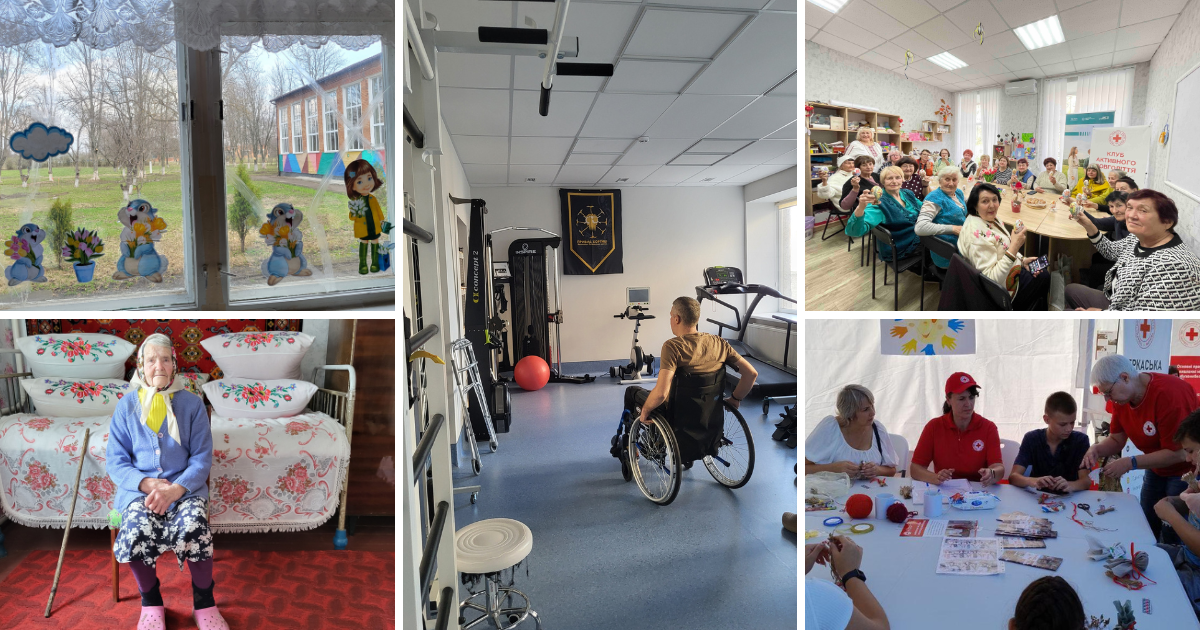
A comprehensive, evidence-based evaluation has examined the vital bilateral support provided by the Canadian Red Cross (CRC) to the Ukrainian Red Cross Society (URCS) and the Unbroken Center between August 2022 and December 2025. The assessment measured how targeted interventions under the URCS’s nationwide One Plan (2023–2025) addressed urgent humanitarian needs in volatile, high-risk regions across the country.
The URCS One Plan serves as a national roadmap to tackle the severe humanitarian consequences of the ongoing conflict through coordinated efforts in healthcare, rehabilitation, recovery, disaster management, protection, and education, alongside organizational strengthening. By combining immediate life-saving relief with long-term structural investment in local branches, staff, and volunteers, the initiative aims to build a sustainable, inclusive, and accountable response nationwide.
Evaluating Five Core Humanitarian Programs
The evaluation rigorously analysed five key CRC-supported programs operating across Cherkasy, Poltava, and Lviv oblasts:
- Mobile Health Units (MHU): Delivering primary healthcare and medical consultations to remote, displaced, and underserved communities.
- Home-Based Care (HBC): Supporting isolated, older, and chronically ill individuals in need of daily care and assistance.
- Community-Level Mental Health & Psychosocial Support (MHPSS): Providing essential mental health services to build resilience amid conflict.
- Shelter & Cash and Voucher Assistance (CVA): Offering flexible financial support and shelter solutions to help affected families meet basic living needs.
- The Unbroken Center: Supporting clinical mental health care within a multidisciplinary hospital, focusing on veterans and civilians affected by the armed conflict.
The evaluation assessed each intervention across seven critical dimensions: relevance and appropriateness, efficiency, effectiveness, coverage, sustainability, impact, and the cross-cutting integration of Protection, Gender, and Inclusion (PGI) alongside Community Engagement and Accountability (CEA).
To capture both measurable outcomes and deep qualitative insights in volatile environments, the evaluation employed a mixed-methods approach, comprising the following components:
- Reviewed and analyzed up to 100 strategic documents and program datasets.
- Conducted 71 Key Informant Interviews engaging 87 key respondents from the URCS, Unbroken Center, donor agencies, and local government bodies.
- Held 15 Focus Group Discussions involving 128 community members across Cherkasy, Poltava, and Lviv.
- Reached 130 URCS staff and volunteers via an online survey, alongside a beneficiary survey of 71 recipients across MHU, HBC, MHPSS, and Shelter/CVA interventions.
- Completed 10 direct site observations and documented 18 "Stories of Change" capturing individual, organizational, and community-level transformations.